
Resource Curse Trilogy
Timor-Leste is the youngest nation in Southeast Asia and, according to the Freedom House Index and V-Dem, it is also the most democratic. Born from a quarter-century of Indonesian occupation that killed roughly a third of the population, the country restored independence in 2002 and immediately faced a question that has undone far wealthier states: […]
Resource Curse Trilogy
In the early 2000s, the World Bank embarked on what was arguably the most ambitious experiment in resource revenue management ever attempted. The Chad–Cameroon Petroleum Development and Pipeline Project was designed to prove that, with the right institutional framework, oil wealth could be channelled directly into poverty reduction even in one of the world’s poorest […]
Resource Curse Trilogy

Venezuela holds the largest proven oil reserves in the world, and, for decades, petroleum revenues financed public spending, social programmes, and infrastructure, positioning the country as one of Latin America’s wealthiest nations and a regional economic powerhouse. Today, Venezuela stands as one of the most dramatic examples of economic collapse in modern history; hyperinflation, prolonged GDP contraction, mass […]
Pollution Trilogy
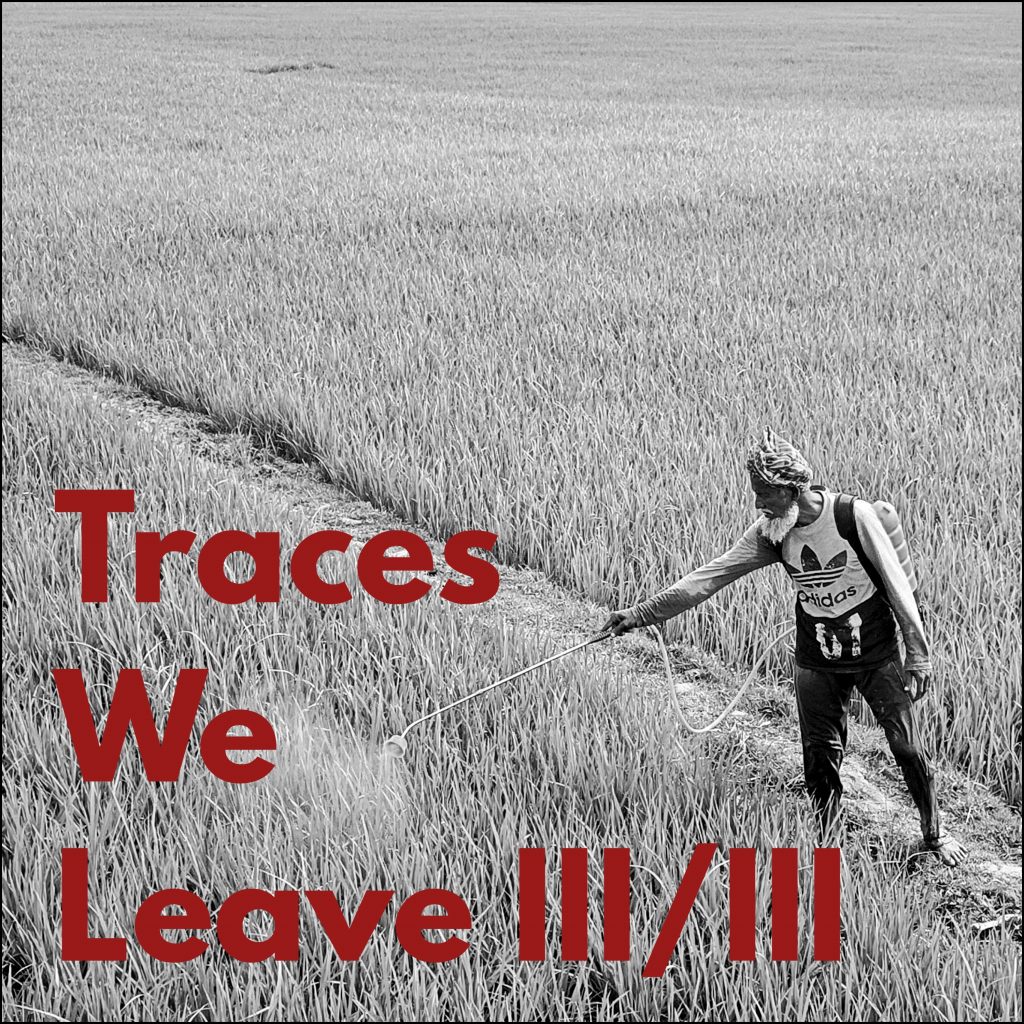
Soil pollution remains one of the least visible yet most consequential environmental challenges of our time. While air and water contamination dominate public debates and policymaking, the slow and cumulative poisoning of soils unfolds silently. Often, the problem is ignored until its consequences become irreversible, creating an invisible crisis that undermines food security, human health, […]
Pollution Trilogy
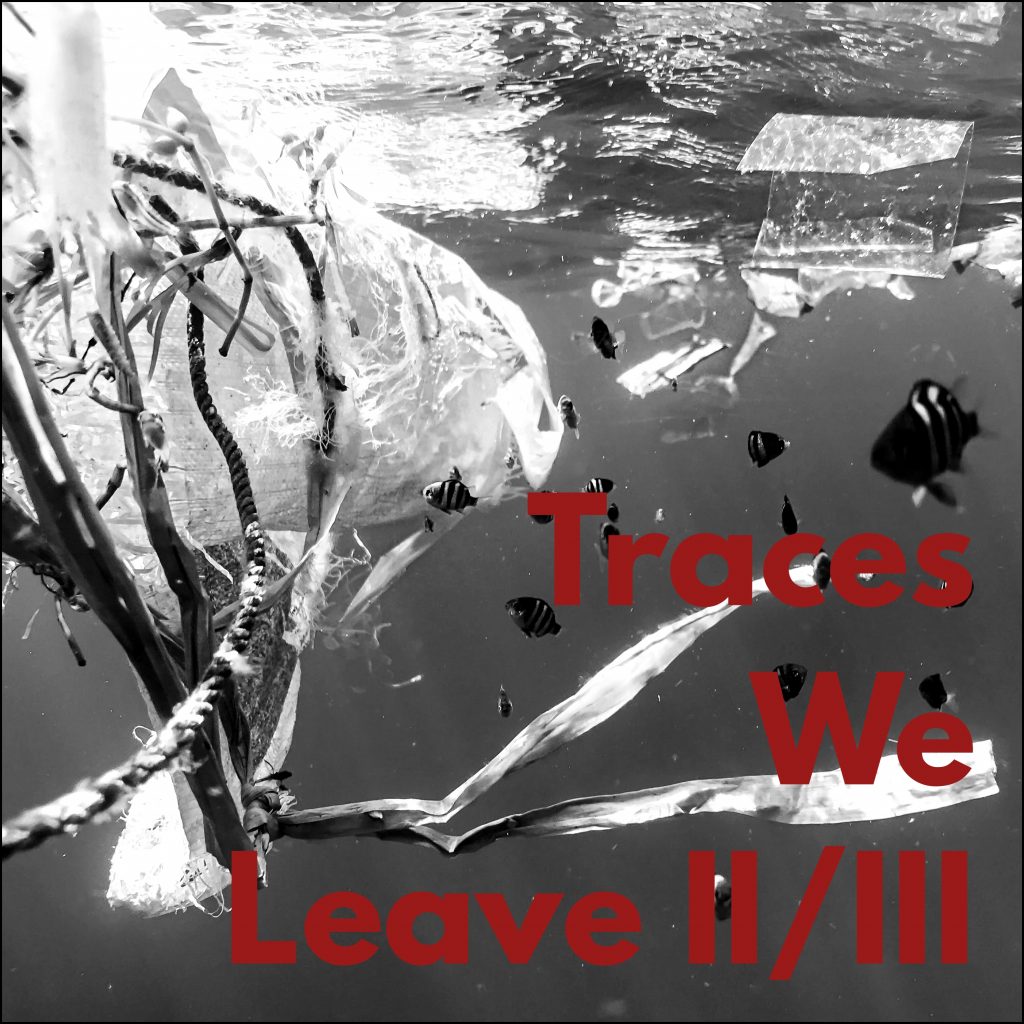
More than 80 % of the world’s wastewater is discharged into the environment without adequate treatment, carrying chemicals, pathogens, and plastics that threaten ecosystems and human health. Water pollution is often invisible, yet it touches nearly every aspect of modern life, from the products we use to the systems that supply and treat water. Addressing […]
Pollution Trilogy
Air pollution is often described as the world’s invisible killer. Unlike floods or wildfires, it rarely makes front-page news, yet its toll is staggering and persistent. According to the WHO, exposure to polluted air contributes to around 6.7 million premature deaths every year, ranking among the leading causes of global mortality. The State of Global […]
Climate Conflict Trilogy
Cities are quickly emerging as major gathering places for displaced people escaping the combined effects of conflict and climate change. As waves of migrants seek safety and opportunity, these urban areas frequently experience tremendous strain on housing, infrastructure, and social assistance programs. This influx exacerbates pre-existing issues like inequality, limited governance capacity, and resource scarcity […]
Climate Conflict Trilogy
Adaptation and resilience in the face of intensifying climate impacts depend on climate finance. However, fragile and conflict-affected regions, exactly where climate risks and human rights vulnerabilities are most acute, continue to receive chronically inadequate funding, despite growing global commitments. At Broadpeak, we collaborate with industry experts, impact-driven investors, and academic institutions to address urgent […]
Climate Conflict Trilogy
Over 3.3 billion people currently reside in areas that are extremely susceptible to the effects of climate change, and many of these areas also struggle with political unrest, food insecurity, and weak governance. Climate change is no longer a remote environmental problem; rather, it is a real and present risk multiplier for violence, displacement, and […]
Artificial Intelligence Trilogy

Picture this: A team of predominantly male, white engineers in San Francisco designs an AI system to detect skin cancer. They train it on thousands of medical images, nearly all from light-skinned patients. The system performs brilliantly in clinical trials at Stanford. Yet when deployed in hospitals serving diverse populations, it consistently misses melanomas on […]