
Good Governance Series
In many boards, the desire to engage with strategy is both natural and justified. Strategy is the area where boards can meaningfully shape the long-term direction of an organisation, and it is often where the collective experience around the table is most visible. At the same time, this is precisely the space where boards can […]
Climate and Health Trilogy
The climate-induced transmission potential of dengue fever has risen by 48.5% for Aedes albopictus mosquitoes since the 1950s, and 17.0% for Aedes aegypti, according to the 2025 Lancet Countdown on Health and Climate Change. In Latin America, the basic reproduction number for dengue transmitted by A. aegypti has climbed 66%, aligning with the record-breaking outbreaks […]
Climate and Health Trilogy
Climate change is no longer a future health threat for developing countries, it is a present one. The 2025 Lancet Countdown on Health and Climate Change, produced with the World Health Organization (WHO), finds that twelve of its twenty key indicators tracking climate-related health threats have reached record levels. Heat-related mortality now averages 546,000 deaths […]
Insurance Trilogy
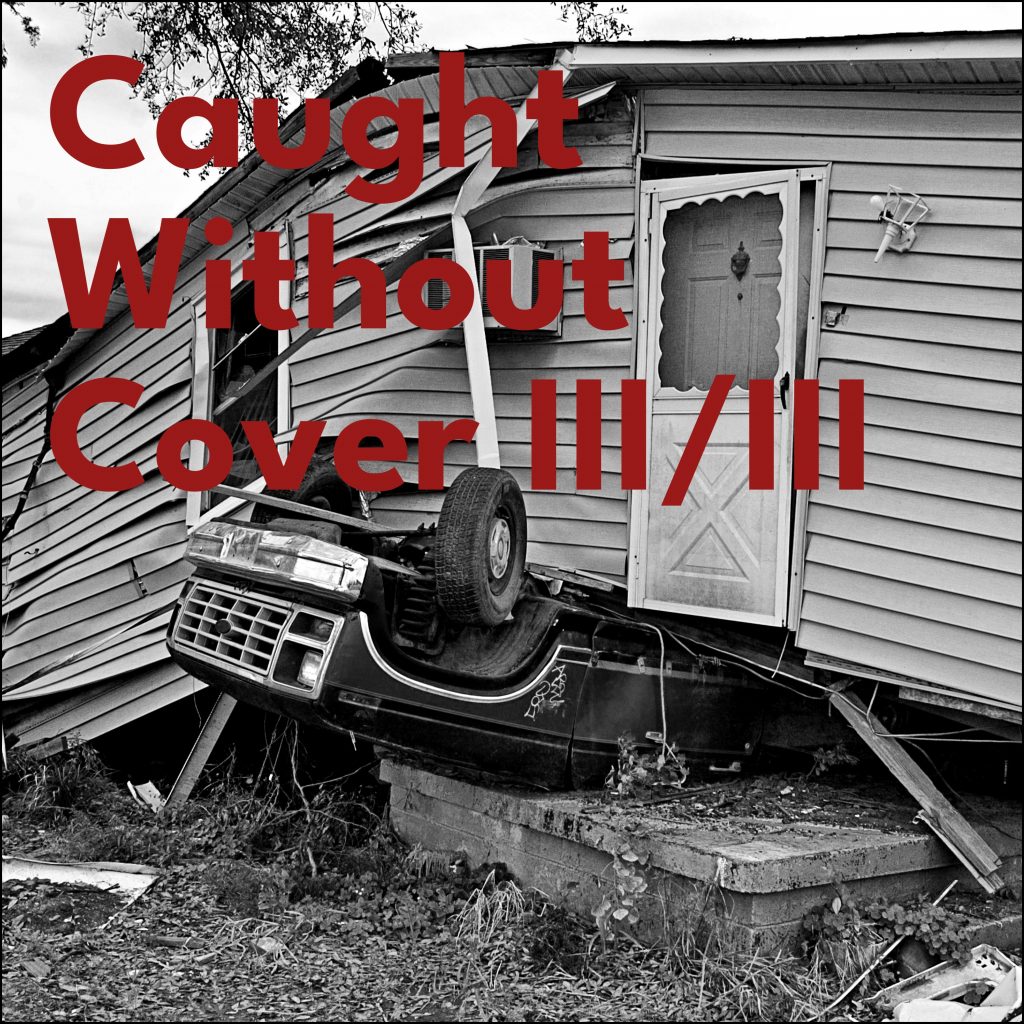
Each year, natural disasters cause losses that insurance does not cover. In 2025, a record share of 49% of economic losses was covered by insurance, of which natural catastrophes caused USD 107 billion out of USD 220 billion in total. Still, more than half of economic losses remained uncovered. The instruments developed to close that […]
Capital Allocation Series
Faith-based organisations (FBOs) have been active investors in emerging markets and developing economies long before impact investing became an established asset class. Rooted in religious traditions that emphasisestewardship, social justice and care for vulnerable populations, these organisations include churches, religious pension funds, religious orders, and affiliated foundations. Their investment activities typically combine fiduciary responsibility with […]
Insurance Trilogy

Climate change and ecosystem degradation are widening the global protection gap faster than private insurance markets can absorb. In 2025, global economic losses from natural disasters reached USD 220 billion, with only around half of them insured. Insurers are retreating from the most exposed markets, premiums are rising beyond the reach of those who need […]
Capital Allocation Series
Corporations have become an increasingly relevant but still under-analysed investor group in impact funds targeting emerging markets and developing economies. Their participation is structurally different from that of banks, insurers or asset managers. Corporate investments are typically driven by strategic considerations rather than by portfolio diversification alone and are often linked to long-term supply chains, […]
Insurance Trilogy

The insurance industry underpins modern economic stability, enabling households and businesses to transfer risk and recover from disasters. Yet climate change and ecosystem degradation are rapidly eroding this foundation. Global temperatures surpassed 1.5°C above pre-industrial levels in 2024, measured against the 1850–1900 baseline that serves as the scientific benchmark for industrialisation-era warming. The Paris Agreement […]
Capital Allocation Series
International wealth managers have become increasingly significant actors in impact investing in emerging markets and developing economies, although their participation differs structurally from that of institutional investors, DFIs or sovereign wealth funds. Wealth managers serve high-net-worth individuals (HNWIs), ultra-high-net-worth individuals (UHNWIs), family offices and foundations through private banking platforms, independent wealth advisory firms and multi-family […]
Capital Allocation Series
Over the past fifteen years, pension funds have become one of the most influential institutional investor groups shaping the global impact investing market. Their growing role in emerging markets and developing economies reflects both the scale of assets under management and the structural alignment between long-term pension liabilities and the extended investment horizons required for […]